

Categories
Buying, Park CityPublished October 21, 2026
How Much Cash Do You Need to Buy a Home in the Wasatch Back?
How much cash do you need to buy a home in the Wasatch Back?
To buy a home in the Wasatch Back, you need your down payment plus closing costs, prepaid items, and any pre-closing expenses, minus the earnest money you already paid and any credits your loan allows. No single percentage works across Summit and Wasatch counties, because loan program, price, seller credits, and property-specific costs all move the total. For scale: the median residential sale in the two counties so far in 2026 is $1,575,000, so every 10% of down payment on a median-priced home is about $157,500 before a single closing cost. Your lender's Loan Estimate and, later, your Closing Disclosure give the real figure.
Key Takeaways
- Cash to close is not the same as your down payment, because it also includes lender charges, title and settlement charges, prepaid interest, and initial escrow deposits for property taxes and insurance.
- Earnest money is generally credited toward what you owe at closing rather than added on top of the purchase price, but its amount and deadline are contract terms, not a Utah statutory figure.
- Prices here push many financed purchases past the 2026 conforming loan limit of $1,150,000 in Summit and Wasatch counties. A jumbo loan carries its own down-payment, credit, and reserve rules, so plan for that early.
- Seller credits can reduce what you bring to closing, but they are limited by loan-program rules and your actual allowable costs, and they can't be turned into cash back to you.
- Negotiating room is real right now: 78% of 2026 residential closings in Summit and Wasatch counties sold below their original list price, at a median of 95.9% of original list, according to Park City MLS data. That is a market average, though, not a promise about any one seller.
I'm David Lawson, and the question I hear most from buyers is some version of "how much do I need in the bank?" The honest answer is a process, not a percentage. Here's how I walk my clients through it, so the number on your closing statement doesn't surprise you.
What does cash to close include when you buy a home in the Wasatch Back?
Cash to close includes your down payment, lender charges, title and settlement charges, prepaid interest, and initial escrow deposits for taxes and insurance, less credits and deposits already paid. Market reports tell you about the market, but the Consumer Financial Protection Bureau's Closing Disclosure is where your actual number lives. The exact amount depends on your loan and your closing date. For a fuller breakdown of the ongoing costs that follow closing, see the true cost of buying a home in Park City.
Down payment. This is the piece everyone budgets for, and it's usually the largest single line. It's set by your loan program and your purchase price. A higher price means a larger down payment on every program, and some programs layer in mortgage insurance on top. In this market the dollar amounts are large: the 2026 median residential sale through October 20 was $1,850,000 in Summit County and $1,248,000 in Wasatch County (Park City MLS).
Lender, title, and settlement charges. Expect charges from your lender for processing and underwriting the loan, plus charges from the title and settlement provider. In Utah, your title company typically acts as the closing agent, handling settlement and holding the funds. Utah has no real estate transfer tax, so you won't see one on your statement. Recording fees are set by the county, and your closing agent confirms them.
Prepaid interest, taxes, and insurance. Prepaids catch buyers off guard. Your lender calculates prepaid interest from your closing date to the end of that month, and may require initial escrow deposits for property taxes and homeowners insurance. A closing late in the month and one early in the month produce different prepaid interest, even on the same loan. Property taxes are prorated at closing, and how that lands depends on your purchase, which I cover in Summit County property tax when you buy in Park City.
Earnest money and other pre-closing costs. Some of your cash leaves your account before closing day. I separate "cash needed before closing" from "cash needed at closing" so you can plan the timing.
| Item | Typically paid | How it's treated |
|---|---|---|
| Earnest money | Shortly after the contract is signed, per contract deadline | Credited against the amount due at closing if the sale closes |
| Home inspection | At the time of the inspection | Paid to the inspector, separate from the closing statement |
| Appraisal | During the loan process | Lender-ordered for underwriting; who pays is set by the loan process and contract |
| Lender application or underwriting charges | Early in the loan, or at closing | Disclosed on your Loan Estimate and Closing Disclosure |
| Down payment and closing costs | At closing, by verified wire or funds | Final amount shown on your Closing Disclosure |
An appraisal and an inspection are not interchangeable. The appraisal evaluates the collateral and value for your lender. The inspection evaluates the physical condition of the property for you. Budget for both on a financed purchase.
Why does the cash you need change so much by loan type and seller credits?
Loan type and seller credits change your cash to close because each program sets its own rules on minimum down payment, mortgage insurance, allowable credits, occupancy, and reserves. Your lender's guidelines control, and no single Wasatch Back cash-to-close percentage exists.
Conventional, FHA, VA, and jumbo loans are not interchangeable. Two buyers can make offers at the same price and bring very different amounts to the table. One program may require less down but add mortgage insurance. Another may allow more seller help with closing costs. A buyer using a program with an occupancy requirement is in a different spot than one buying a second home. Loan size matters too: the 2026 conforming limit for a one-unit home in Summit and Wasatch counties is $1,150,000, and a loan above it is a jumbo loan, whose terms are set by the lender. With 20% down, any purchase above about $1,437,500 needs a loan over that limit, and 53% of 2026 residential closings in the two counties sold above that price (Park City MLS, Jan. 1 to Oct. 20, 2026). That still leaves real choice below the line: on October 21, 2026, 500 of the 1,220 active residential listings in the two counties were priced at or under $1,437,500. Your lender will tell you what applies, and I'll help you compare the structures before you write an offer. This is a big reason I push buyers to talk with a lender before touring, which I cover in why pre-approval comes first when buying a Park City home.
What seller credits can and can't do. A seller credit can lower the cash you bring to closing, but it has limits:
- It generally can only cover your actual allowable closing costs, not the down payment.
- It can't be converted into unrestricted cash back to you.
- Unused credit may be forfeited or restricted.
- The purchase contract and your lender's underwriting decide what is permitted.
Whether a seller will agree to a credit depends on the property, the price, and the competing terms. The market gives buyers some room to ask: residential inventory stood at about 7.8 months of supply in Park City and 6.9 months in Heber City in October 2026, and most 2026 sales in the two counties closed below original list price (Park City MLS). Fast-moving, well-priced homes still sell near asking, so credits get negotiated one deal at a time.
Buying with all cash. A cash purchase removes lender underwriting, origination, mortgage insurance, and the lender-required appraisal. You still pay title, settlement, recording, inspection, insurance, tax proration, association, and property-specific charges. Whether to order an appraisal in a cash deal is your call, not a loan condition.
What property-specific costs can raise your cash to close in Park City and nearby towns?
Association charges, special assessments, access and utility matters, insurance premiums, and lender reserve requirements can raise your cash to close, and they vary by property and town. They are not uniform across Park City, the Snyderville Basin, Heber City, Midway, Coalville, Kamas, Oakley, or Francis.
Here's what I ask about before a client commits to a property:
- HOA or condominium dues, transfer charges, and capitalization fees. Some associations charge at transfer, and the amounts and who pays are in the association documents and your contract.
- Special assessments. An approved or pending assessment can change what you owe or what you negotiate.
- Private road or access arrangements. Shared maintenance agreements can add ongoing obligations.
- Well or septic requirements. Where they apply, they can add inspections and testing before closing.
- Insurance availability and premiums. Get real quotes early, because the premium affects both your prepaids and your monthly payment. More on that in can you still get home insurance in Park City in 2026.
- Short-term rental rules. If rental income is part of your plan, confirm what the property, the association, and the local rules allow before you count on it. I go through those checks in what buyers should know about resort properties in Park City.
- Club or membership requirements. Some properties tie into memberships, which I break down in whether you have to join the club to buy a home in Park City.
Second homes and investment properties. If you're buying a second or investment home in the Wasatch Back, expect lenders to look harder at reserves and occupancy. Reserve requirements for these properties are set by the lender and program, and they can be meaningfully higher than for a primary residence. I work with a lot of second-home and short-term-rental buyers, and the reserve conversation is where plans most often change.
How do you get your real number before you make an offer?
Get your real number by working through the same sequence every time: loan application, Loan Estimate, contract terms, and documents. A generic percentage will be wrong for your purchase, but the documents will be right.
- Submit your loan application and receive your initial Loan Estimate, which your lender must provide within three business days of your application.
- Set the earnest money amount and deadline in the purchase contract.
- Your lender orders or approves the appraisal, while you separately schedule inspections and other due diligence.
- The title or settlement provider gathers title, recording, tax, and closing information.
- Your lender calculates prepaid interest and initial escrow deposits for taxes and insurance.
- You receive your Closing Disclosure at least three business days before closing, subject to federal rules on permitted changes.
- Earnest money and other prior deposits are credited against the final amount due.
- You wire or bring verified funds, sign, and confirm the transaction has funded and recorded.
The dependable sources for your figure are the signed purchase contract, the lender's Loan Estimate and Closing Disclosure, the settlement statement, county tax information, HOA documents, and verified insurance quotes. If you're comparing two properties, ask for the association documents early, since they can change the math between two otherwise similar homes.
Plan for reserves after closing. The cash you need to close isn't the same as the cash you should have left afterward. Keep funds available for the first months of ownership, including utilities, repairs, and, for many mountain properties, snow removal and seasonal upkeep. Your lender may require specific reserves for certain loans, and what you personally want to hold back is a separate decision. I'll talk through both with you.
If you'd like to hear how past clients feel about working with us, you can read our reviews on Google, Zillow, and Realtor.com.
Frequently Asked Questions
How much money do I need upfront to buy a house in Park City?
You need your down payment, closing costs, prepaid items, and pre-closing expenses like inspection and earnest money, and the total depends on your loan and price. There is no universal percentage. Your lender's Loan Estimate gives you the working figure, and your Closing Disclosure confirms it before you close.
Does earnest money count toward my down payment or closing costs in Utah?
Earnest money is generally credited against the amount you owe at closing if the sale closes. It isn't added on top of the purchase price. The amount, deadline, and conditions are terms in your purchase contract, not a statutory Utah amount.
Can a seller pay my closing costs in Utah?
Yes, a seller can agree to a credit toward your closing costs, but it's negotiated in the contract and limited by your loan program. Credits normally can't be turned into cash back to you, and unused credit may be forfeited. Your lender's underwriting decides how much is allowed.
Do FHA, VA, conventional, and jumbo loans require different amounts of cash to close?
Yes. Each program has its own rules on minimum down payment, mortgage insurance, allowable credits, occupancy, and reserves. In Summit and Wasatch counties, a loan above the 2026 conforming limit of $1,150,000 is a jumbo loan with lender-set terms. Your lender can show you side-by-side Loan Estimates so you can compare the cash required for each option.
Are cash requirements different for a second home or investment property in the Wasatch Back?
Yes, lenders generally apply different guidelines to second homes and investment properties, including reserve requirements. Association rules and short-term-rental restrictions can also affect the plan. Confirm both with your lender and the property's documents before you write an offer.
The bottom line
The cash you need for a home in the Wasatch Back comes from your documents, not a rule of thumb, and at local price levels the gap between a guess and the real figure can run to six figures. Every situation is different, and the only way to know for sure is to run the numbers with someone who knows this market. If you're also selling, you can request a free home evaluation to see what your current home could put toward the purchase.
If you're buying or selling in Park City or anywhere across the Wasatch Back, we're happy to consult on the market and help you assess your options. Reach out to schedule a private consultation with our team, and we'll walk you through your cash-to-close number before you write an offer.
About David Lawson
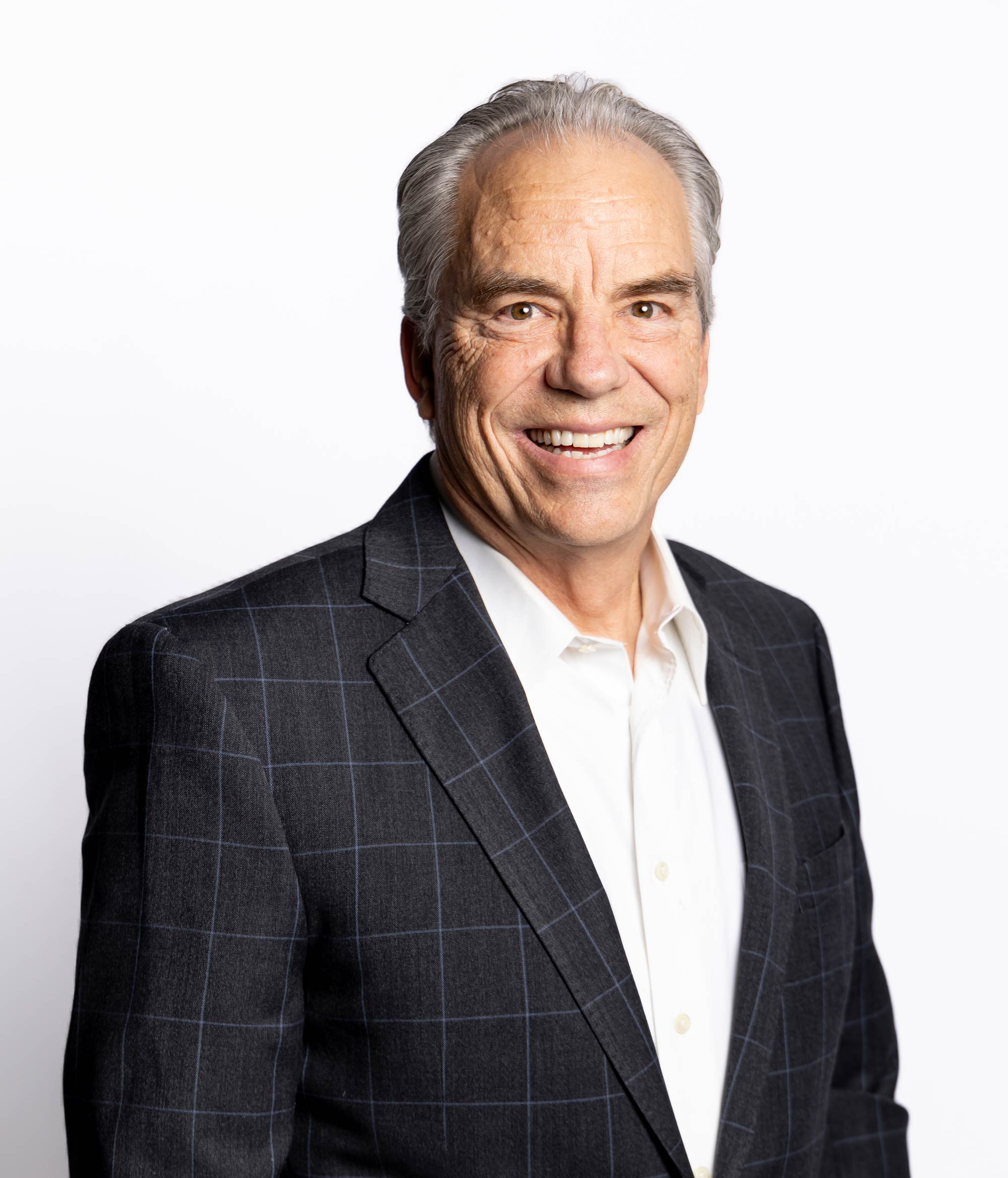
David Lawson is the founder of the Lawson Real Estate Team, a luxury real estate group serving Park City and the greater Wasatch Back, including Hideout, Midway, Heber, and Kamas. He leads a team that has closed more than 3,920 transactions and earned recognition as the #1 eXp Realty team in Utah (2022–2025) and previously the #1 Engel & Völkers team worldwide (2019, 2021). David and his team specialize in high-end mountain properties, from single family homes and new construction to ski-in/ski-out vacation properties and short-term rental investments, guiding buyers and sellers through one of the most segmented luxury markets in the country.
Equal Housing Opportunity. Each office is independently owned and operated. Real estate licensees are regulated by the Utah Division of Real Estate. This article is general information, not legal, tax, or financial advice. Confirm your own numbers with your closing agent, tax advisor, or lender. Market figures are from the Park City MLS (residential closings in Summit and Wasatch counties, Jan. 1 to Oct. 20, 2026) and are deemed reliable but not guaranteed.
David Lawson
Team Leader | Lawson Real Estate Team
or another way