

Categories
Buying, Salt Lake CityPublished October 12, 2026
How to Choose a Real Estate Agent in Salt Lake County
Why does the right agent matter in Salt Lake County?
Because the county average hides almost everything you need to know. Salt Lake County's single-family median reached $645,000 in the second quarter of 2026 — the highest quarterly median on record, according to the Salt Lake Board of Realtors — while condominium prices fell over the same period. Inside that one average, some homes are drawing competing offers in under two weeks and others are sitting for months. The agent you hire decides which of those two outcomes you plan for. Choose one who can explain where your specific property sits, who holds a verified Utah license, and whom you have compared against at least one other candidate.
Key Takeaways
The Salt Lake County single-family median hit $645,000 in Q2 2026, up 4.88% year over year and the highest quarterly median the Board has recorded, so a pricing misjudgment is expensive.
This is a split market, not a uniformly hot one. In Salt Lake City proper, 33.9% of 2026 closings sold within 14 days while 28.1% took more than 60 — which is why the county's 48-day average describes almost nobody.
The slowest band is the entry level, not the top. Homes under $500,000 in Salt Lake City proper took a median 36 days this year and closed at 96.0% of original list, while homes from $500,000 to $900,000 took 27 days and closed at 97.5%.
Property type matters as much as location. Salt Lake County condominiums fell 2.81% year over year to a $417,900 median in Q2 2026 while detached homes rose, so an agent's experience should match what you own.
Utah licensees must disclose their agency relationships in writing before a binding agreement is signed. Ask whom an agent represents before you reveal your budget ceiling.
You can verify any agent's license and affiliated brokerage through the Utah Division of Real Estate in a few minutes, before you sign anything.
What does the latest Salt Lake County data actually show?
Higher detached prices, softer condominium prices, more listings, and a slightly slower average pace — all at once. The quarterly figures below are Salt Lake Board of Realtors data for the second quarter of 2026. Everything here is Salt Lake County; Park City and the Snyderville Basin are separate markets with separate numbers.
| Measure (Salt Lake County) | Q2 2026 figure | Why it matters when choosing an agent |
|---|---|---|
| Single-family median price | $645,000, up 4.88% year over year — a record quarterly high | Pricing errors are costly at this level |
| Single-family homes sold | 2,334, up 4.62% from 2,231 | Well-priced homes still draw competing interest |
| Condominium median price | $417,900, down 2.81% from $430,000 | Condo pricing needs different expertise than detached homes |
| Condominiums sold | 862, up 4.11% from 828 | Volume rose even as condo prices fell |
| New listings, all housing types | Up 3.56% year over year | More choice for buyers, more competition for sellers |
| Average cumulative days on market | 48, up from 45 | An average, not a timeline for any one home |
One number in that table deserves a warning label. "Average cumulative days on market" counts a property's time across listing cycles, not how long your sale will take — and because it is an average, a handful of homes that sat for six months drags it upward for everyone. Our own Wasatch Front MLS data for Salt Lake City proper, covering 2,190 closings between January 1 and October 12, 2026, puts the median resale at 32 days on market against a 52-day mean. The median is the number that describes a typical home; the average mostly describes the tail.
That split is the real character of this market, and the Board's own leadership says so. Board president Colemere described it to the Deseret News in July 2026 as a "bipolar" market — sellers still pricing as though it were 2021, buyers waiting for a crash — and put the average discount from list price at roughly 2% to 3%, which he called neither a buyer's market nor a seller's market. Our feed agrees: across those 2,190 Salt Lake City closings, the median home sold at 99.4% of its final list price, while 25.2% closed above list, averaging 2.9% over and going under contract in a median of nine days.
Current inventory tells the same story in a different form. As of today, the Wasatch Front MLS shows 4,188 active residential listings in Salt Lake County against 1,104 pending or under contract, with 6,722 closings over the trailing six months — roughly 3.7 months of supply. That is a market with real competition for the right home and real patience required for the wrong price.
One widely quoted figure needs its date attached. The Deseret News reported 928 Salt Lake County homes under contract on July 31, 2026, against 1,048 a year earlier — about 11% lower — and tied the drop to affordability pressure from prices and mortgage rates. That was a single day's snapshot more than two months ago, and pending counts move week to week. Treat it as history, not as today's negotiating position.
Why can't a county average tell you what your home will do?
Because it blends every neighborhood, price tier, and property type into one figure. The 48-day average is not a prediction for your house. Location, condition, price band, and property type can put a home well above or well below it — and as the figures above show, most homes land nowhere near the middle.
Q2 2026 reporting pointed to strong year-over-year sales increases in parts of Salt Lake City, South Jordan, West Jordan, and Taylorsville. Whether that applies to a street in Cottonwood Heights or a condominium downtown is a different question entirely. Your number depends on your property and your timing, and that is what a local market analysis is for. It is also the first test I would put to any agent: can they explain how your property differs from the county average, with comparable sales to back it up?
Which side of the split is your price band on?
This is where most market commentary stops and the useful part begins. Breaking our own Salt Lake City closings for 2026 into price bands produces a result that surprises most sellers, including some agents.
| Price band (Salt Lake City proper, 2026 closings) | Sales | Median days on market | Sold within 14 days | Took more than 60 days | Average sale vs. original list |
|---|---|---|---|---|---|
| Under $500,000 | 845 | 36 | 27.6% | 31.2% | 96.0% |
| $500,000 to $900,000 | 896 | 27 | 39.1% | 23.7% | 97.5% |
| $900,000 and above | 482 | 30 | 35.3% | 30.1% | 95.6% |
The weakest band is the entry level, not the top. Homes under $500,000 took the longest to sell, produced the fewest fast sales, and closed furthest below their original asking price. The strongest band is the middle: between $500,000 and $900,000, nearly four in ten homes sold within two weeks. The upper end is the most genuinely split of the three — a third sold inside two weeks and almost a third sat past 60 days, which is what you would expect in a segment where a correctly priced home has a ready buyer and an ambitiously priced one has none.
If you own an entry-level home and read "record median" as "my house will sell in a week," these numbers are the correction. If you are selling between $500,000 and $900,000, you are in the most liquid part of this market. Either way, the figure that matters is your band in your area, not the county line.
How do I vet a Salt Lake agent before I sign anything?
Verify the license, interview at least two agents, ask for measurable evidence of local work, and get the representation relationship clear in writing. That sequence filters out most bad fits before any money or strategy is on the line.
How do I confirm an agent is properly licensed?
Check the state's licensing system before you sign representation documents. Under the Utah Real Estate Licensing and Practices Act, it is unlawful for someone without a license to perform covered real estate activities for compensation. The Utah Division of Real Estate licensing page is where you verify status and identify the brokerage an agent is affiliated with. It takes a few minutes and it is worth doing every time.
What should you ask in the interview?
Ask questions that produce evidence, not claims of being "local." Anyone can say they know the area. These are the ones I would ask:
- How many transactions have you handled in my property type and target area, and what were the recent comparable sales?
- How do you build a comparative market analysis, and what does it say about my property?
- Given that homes here either move fast or sit, which do you expect mine to do, and why?
- Who responds when you are unavailable?
- How will you communicate offer deadlines and inspection issues, and who coordinates with the lender and closing agent?
- Can you walk me through a recent negotiation and how you handled it?
You do not have to take the answers on trust. An agent's closed transactions, their median days on market against the area median, their average sale-to-list ratio, and the share of their listings that expired or were withdrawn are all recorded in the MLS and can be pulled for any licensee in any price band. If you want that run on the agents you are considering — including on me — ask, and we will pull it.
Yes, you can interview more than one agent. Talking to two or three before you sign is normal, and a good agent expects it. Ask how the agent is paid, too. Broker fees are fully negotiable and not set by law, the listing fee is agreed in the seller's listing agreement, and any compensation a seller offers a buyer's agent is optional and separately negotiable.
Whom does the agent actually represent?
Ask before you share anything confidential. Per the Utah Division of Real Estate, licensees must disclose their agency relationships in writing before a binding purchase or lease agreement is executed, and must disclose the relationship when first contacting another agent in a transaction.
Open houses trip up a lot of buyers. The same Division guidance says attending one does not automatically create an agency relationship, and that in a typical open-house situation the listing agent's primary and fiduciary duty is to the seller. Be friendly, but do not share your budget ceiling, your urgency, or the concessions you would accept until you know who the agent works for.
What should a good agent do differently for buyers and sellers?
A good agent turns county-level data into a property-level plan: for buyers, speed and disciplined negotiation; for sellers, pricing and presentation backed by real comparables. The right agent knows the market street by street and stays with you from the first showing or consultation through the closing table. That consistency is what you are really hiring.
What does a buyer's agent need to bring?
Preparation and judgment. A quarter of Salt Lake City closings this year went above final list price, and those homes went under contract in a median of nine days — so when the right one appears, there is no time to arrange financing. I explain that sequence in why pre-approval comes first when buying a Park City home, and the logic carries straight into the valley. For the Salt Lake side of the ledger, see how much buyer closing costs run in Salt Lake City.
The other three quarters of the market are where a buyer's agent earns their keep. The median home sold slightly below its final list price, and homes that have sat past the 60-day mark are a different negotiation entirely. Which situation you are in is a property-by-property judgment, not a blanket assumption about the market.
What does a seller's agent need to bring?
A pricing strategy you can interrogate. New listings are up and the average time to sell lengthened, so your home competes against more inventory than it would have a year ago — and the penalty for overpricing in this market is not a slightly lower price, it is joining the 28% of homes that sit past 60 days. Ask any listing agent to show you recent comparable sales, the active competition in your area, the buyer objections they hear most, and how prices have been adjusted nearby.
Property type matters here too. A condominium and a detached home in the same county moved in opposite price directions in Q2 2026, so do not hire someone whose experience is all on one side if you are selling on the other. One caution for condominium owners, though: that county figure pools downtown high-rise units, suburban townhomes, and older walk-up buildings into a single median, which is the same kind of blended average this post has spent its length telling you to distrust. A 2.81% county decline does not establish that your building lost value, and sales volume actually rose 4.11% over the same quarter. Before you price off that headline, get the numbers for your own segment. If you are weighing timing, I break that down in is it a good time to sell in Salt Lake County in 2026. For narrower examples of vetting, see how to choose a listing agent on the East Bench and how to choose a multifamily investment agent in Salt Lake City.
My team covers the Salt Lake Valley along with Park City, Deer Valley, and the Snyderville Basin, so your plan draws on more than one person's read of the market.
Frequently Asked Questions
How do I find the best real estate agent in Salt Lake County?
Start with licensed agents who can show recent sales in your property type and area, then interview at least two. Compare how each builds a pricing or offer strategy, how they communicate, and what evidence they offer. The best fit is the one who can explain where your property sits relative to the county average, not the one with the loudest marketing.
What should I ask a Salt Lake real estate agent before signing an agreement?
Ask whom they represent, how many transactions they have handled in your property type and area, and how they are paid. Broker fees are negotiable and not set by law, and any compensation offered to a buyer's agent is separately negotiable. Read the agreement fully and ask about anything unclear before you sign.
Does attending an open house mean the agent represents me?
No. Utah Division of Real Estate guidance says attending an open house does not automatically create an agency relationship, and that the listing agent's fiduciary duty in that situation is typically to the seller. Ask directly whom the agent represents before you share your budget, urgency, or negotiating limits.
How do I verify that a Utah real estate agent is licensed?
Use the Utah Division of Real Estate's licensing information to confirm the agent's status and affiliated brokerage. Do it before you sign any representation document.
How long will it take to sell a home in Salt Lake County?
The county's average cumulative days on market was 48 in Q2 2026, but that average describes very few homes. In Salt Lake City proper, 33.9% of 2026 closings sold within 14 days and 28.1% took more than 60, with a median of 32 days. Which group a home lands in depends mostly on how it is priced at launch, and partly on price band: homes under $500,000 took the longest this year at a 36-day median, while those between $500,000 and $900,000 were fastest at 27 days.
The bottom line
Salt Lake County set a record single-family median in Q2 2026, and in the same quarter condominium prices fell and the average time to sell lengthened. Both things are true because this is a market that splits sharply between homes priced to sell and homes priced to sit. Verify the license, test local knowledge with real questions, and get representation clear before you share strategy.
If you're buying or selling in Salt Lake County or anywhere across the Wasatch Front, we're happy to consult on the market and help you assess your options. Reach out to schedule a private consultation with our team, and we'll show you the comparable sales that set your price and tell you honestly which side of this market your property is on. If you would rather start with a number, request a free home evaluation.
About David Lawson
David Lawson is the founder of the Lawson Real Estate Team, a real estate group serving Salt Lake City and the greater Wasatch Front, including Sugar House, Holladay, Cottonwood Heights, Draper, and the fast-growing southwest valley and northern Utah County. He leads a team that has closed more than 3,920 transactions and earned recognition as the #1 eXp Realty team in Utah (2022–2025) and previously the #1 Engel & Völkers team worldwide (2019, 2021). David and his team work with buyers and sellers across the full market—from first-time buyers and condos to move-up family homes, multifamily investments, and luxury properties—guiding clients through one of the fastest-growing housing markets in the country.
Equal Housing Opportunity. Regulated by the Utah Division of Real Estate. Each office is independently owned and operated. This article is general market information only and is not legal, tax, or financial advice; confirm your own numbers with your closing agent, tax advisor, or lender.
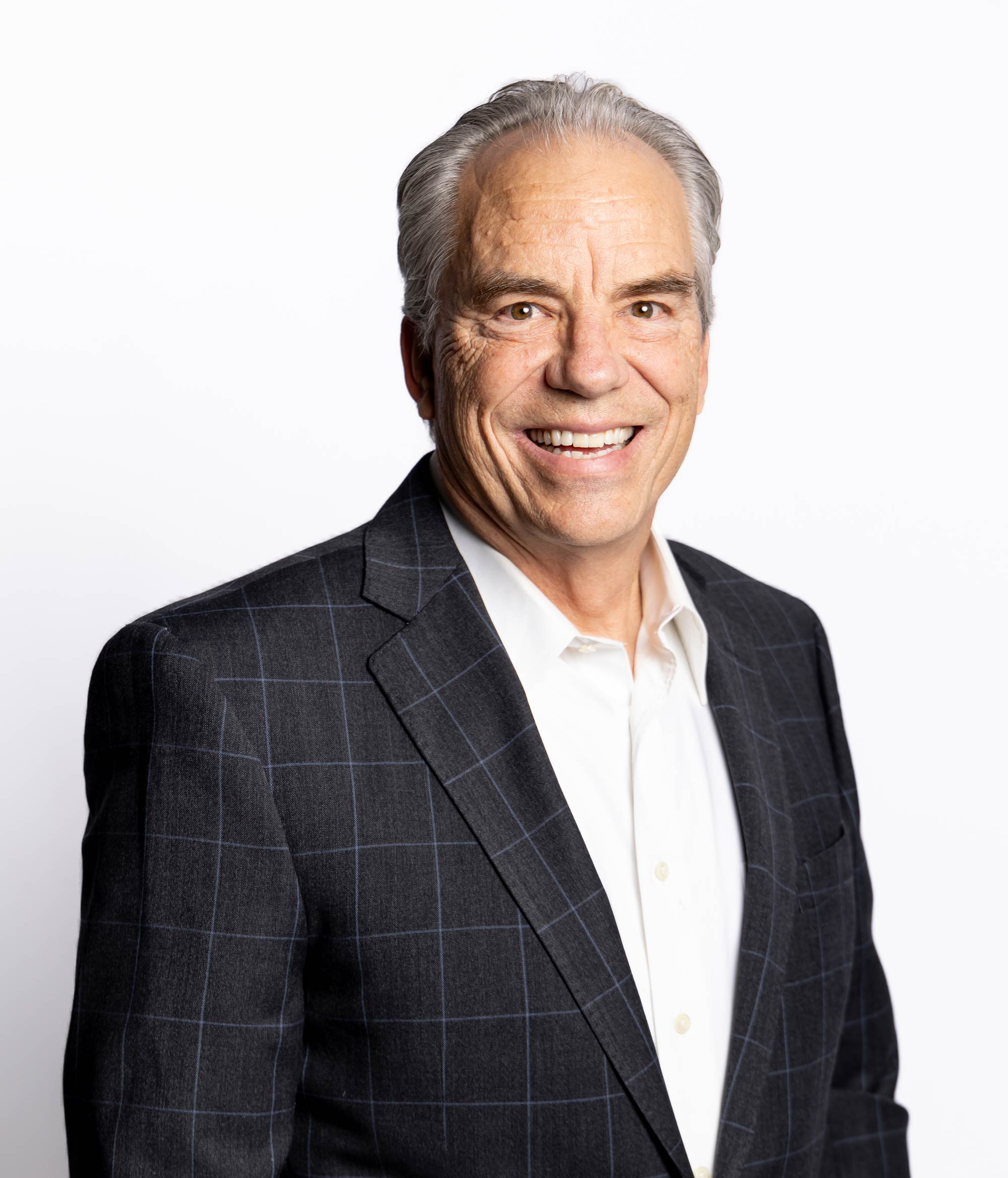
David Lawson
Team Leader | Lawson Real Estate Team
or another way