

Categories
Selling, Park CityPublished October 5, 2026
What Heber Valley Homeowners Pay in Utah Seller Closing Costs
What closing costs does a seller pay in Heber Valley?
Sellers in Heber Valley and the rest of Wasatch County see the same categories on a settlement statement: brokerage compensation, the owner's policy of title insurance and related search fees, escrow and settlement charges, lien-release preparation and recording, prorated current-year property taxes, mortgage payoff, and anything you agreed to credit the buyer. None of those is set by a statewide schedule. Every one of them is allocated by the contract you sign, which means every one of them is negotiable before you sign it and fixed afterward.
The fees are also not the biggest number on the page. Of the 303 Heber Valley homes that closed in 2026 with a usable price history, 208 of them — 69% — sold for at least 2% less than their original list price, and the ones that cut came down a median of 7%. That gap dwarfs your title, escrow, and recording lines put together, and it is decided by how you price and how you negotiate, not by your closing agent.
Key Takeaways
- Heber Valley sellers pay across several distinct categories — brokerage compensation, title charges, escrow, lien releases, tax prorations, and mortgage payoff. Each line is its own negotiation.
- The Utah Real Estate Purchase Contract allocates several of these costs by default, but your signed contract controls. A new REPC took effect August 19, 2026, and both forms are in use through the end of the year.
- Utah charges no real-estate transfer tax. The county charges recording fees, and those are modest next to the other lines.
- There is no statewide 50/50 escrow split. Escrow-office charges vary by title company and by what you negotiated, so get the fee quote in writing before you commit.
- Nearly seven in ten Heber Valley sellers cut their price before closing in 2026, by a median of 7%. That is the line that actually decides your net, and it is not a fee.
The number that outweighs every closing-cost line
Before the line items, the context that should change how you read them. Figures below are from the Park City MLS, which covers Wasatch and Summit counties, and reflect closed residential sales from January 1 through October 5, 2026.
Heber Valley recorded 304 closed sales in 2026 at a median close price of $966,500 and a median 41 days on market. Of the 303 with a complete price history, 69% closed at least 2% under their original list price. Among that group the median cut was 7%, and the median home took 86 days to get there. Only 34 sales — about one in nine — closed above asking.
Supply explains the pressure. Heber Valley has 239 active listings and 75 pending sales, which works out to about 6.2 months of supply measured against the trailing six months of closings. Anything above roughly six months reads as a buyer's market. Summit County is looser still: the Park City area carries 255 actives against roughly 9.6 months of supply on the same basis.
The aggregate hides your segment, though, and the spread runs the opposite direction from what most sellers assume. Across 2026 Heber Valley closings:
- Under $750,000 — 97 sales, median 23 days on market, closing at 95.2% of original list. Four in ten sold in two weeks or less. This is the healthiest part of the valley.
- $750,000 to $1.25 million — 100 sales, median 51 days, closing at 93.4% of original list. The weakest band on price, and 44% took more than 60 days.
- $1.25 million and up — 106 sales, median 49 days, closing at 95.1% of original list. Price held up better than the middle band, but this is the slowest tier: 47% took more than two months, and the top decile sat 270 days or more.
So the advice is not uniform. If you are in the middle band, your exposure is the price itself. If you are above $1.25 million, your exposure is time — carrying costs, two winters of showings, and the pressure that builds when a listing goes stale. Either way, the fee side of the statement is the small print. For the full net-proceeds math rather than the cost categories alone, see what you'll net selling a Wasatch Back home.
What are the main seller closing cost categories?
Here is each category the way I explain it to my own clients, with what is fixed and what is yours to negotiate.
Brokerage compensation. Fully negotiable and set in your listing agreement. There is no standard, customary, or legally fixed rate in Utah or anywhere else. The listing-side fee is agreed between you and your listing broker. Any compensation you choose to offer a buyer's agent is a separate, optional decision, and since the National Association of Realtors settlement practice changes took effect on August 17, 2024, offers of buyer-broker compensation are not communicated through the MLS. They are negotiated directly.
Owner's title insurance and title search. Under the Utah Real Estate Purchase Contract, the state-approved form promulgated by the Utah Real Estate Commission, the seller agrees to pay for the owner's policy of title insurance issued in the buyer's favor, along with the related search fees. A buyer who is financing typically pays for the lender's policy separately. Like everything else here, the allocation can be shifted by agreement. Your title company quotes the premium off the sale price.
Escrow and settlement charges. Utah closings are handled by a closing agent, almost always a title company, whose fee covers document coordination, holding funds, and disbursing proceeds. There is a persistent belief that the REPC splits escrow fees evenly between buyer and seller. It does not. The form's standard language has each party pay its own escrow-office fees, and what you are actually quoted varies by title company. Ask for the fee sheet in writing before you pick a closer.
Lien releases: preparation and recording. Any recorded claim against the property — a mortgage, a home-equity line, a judgment lien, a mechanic's lien — has to be cleared before or at closing, and the cost of payoff statements, release documents, and recording them comes out of the seller's side. The REPC directs the closing office to withhold enough from seller proceeds to pay off mortgages, trust deeds, judgments, mechanic's liens, and tax liens. This is the most time-sensitive item on the list. A missing or defective release pushes a closing date, so identify every recorded claim before you list, not after you accept an offer.
Mortgage payoff. Your payoff comes from your lender and typically includes remaining principal plus lender-authorized charges through the payoff date. The closing agent orders the statement and wires the funds at closing. There is no formula to apply without your actual loan information.
Prorated property taxes. Utah property taxes are assessed for the calendar year and billed in the fall, due at the end of November, so at closing the seller generally credits the buyer for the seller's share of the current year. The REPC prorates current-year taxes as of the settlement date. A February closing and a November closing produce very different numbers, and the figure should come from the county's actual tax record rather than an annual estimate. If you are selling a second home, the treatment differs from a primary residence — see primary versus second-home property tax treatment.
Negotiated repairs, credits, and buyer contributions. Not a fee, and in this market not a footnote either. If you agreed to a repair credit, a closing-cost contribution, or a price reduction in lieu of repairs, it lands on the settlement statement as a seller debit. With 69% of 2026 sellers cutting price by a median 7%, this is where the real money moves. How much exposure you carry depends on your contract and what surfaced during due diligence — how seller concessions work and what the Utah due diligence period actually covers are both worth reading before you respond to a repair request.
One contract note: a new Utah REPC went live on August 19, 2026, and renumbered substantially. The old form remains valid until January 1, 2027, so for the rest of this year you may be handed either one. I wrote up what changed in the new REPC and why Section 3 matters most. Check which version you are signing before you initial anything.
How Wasatch County and Summit County differ for sellers
The cost categories are identical in both counties. The differences are logistical, and they matter on closing day.
| Item | Wasatch County (Heber Valley) | Summit County (Park City area) |
|---|---|---|
| Recorder's office | 25 N. Main St., Heber City | 60 N. Main, Coalville |
| Office hours | Monday–Friday, 8 a.m. to 5 p.m. | Monday–Friday, 8 a.m. to 5 p.m. |
| Stated recording cutoff | None published — confirm with your closing agent | Be there before 4:30 p.m. |
| Online record lookup | Wasatch County document lookup | Summit County property page |
| Document prep for the public | Not provided | Not provided |
The Summit County Recorder asks that anyone needing to record a document arrive before 4:30 p.m., and requires original signatures and notarization, a legible legal description with the serial number, and — on a conveyance — the grantee's mailing address. The Wasatch County Recorder maintains the cross-reference indexes to real-estate documents and supplies the assessor and treasurer with the information used for assessment and taxation. Neither office prepares or supplies documents for the public, and neither will fill one out for you.
If your closing agent does not fund and record the same day, possession and disbursement can slide to the next business day. Confirm the recording schedule before you set a moving date.
Frequently Asked Questions
Who pays for title insurance in Utah, the buyer or the seller?
Under the Utah Real Estate Purchase Contract, the seller agrees to pay for the owner's policy of title insurance issued in the buyer's favor, plus the related search fees. A buyer who is financing normally pays for the lender's policy. This is the form's default allocation, not a law, and it can be shifted in your contract.
Who pays escrow and recording fees when selling a Heber Valley home?
There is no statewide 50/50 rule, despite how often that gets repeated. The REPC's standard language has each party pay its own escrow-office fees, and recording fees are charged by the county for each document recorded. What you actually pay depends on your title company's fee schedule and on what you negotiated, so ask for the quote in writing.
How far below list price do Heber Valley homes actually sell?
Of the 303 Heber Valley homes that closed in 2026 with a complete price history, 69% sold for at least 2% under their original list price, and those sellers came down a median of 7% over a median 86 days on market. Only about one in nine closed above asking. The middle of the market was weakest, with $750,000 to $1.25 million homes closing at 93.4% of original list.
How are property taxes prorated at a Utah closing?
Utah property taxes are assessed for the calendar year and billed in the fall, so at closing the seller generally credits the buyer for the seller's share of the current year. The proration runs to the settlement date and uses the county's actual tax record. A February closing and a November closing produce meaningfully different numbers.
Does Utah charge a real-estate transfer tax?
No. Utah imposes no state or county real-estate transfer tax. What you will see are recording fees charged by the county recorder for the deed and any release documents, which are small relative to the other lines on your statement. Confirm the specifics with your closing agent.
The bottom line
Heber Valley sellers and Park City sellers pay the same categories, because both counties run on the same state contract. What changes is the dollar amount on each line, set by your contract, your lien situation, your closing date, and what you negotiated. Read your settlement statement category by category rather than as one unexplained total.
And keep the proportions straight. In a market where nearly seven in ten sellers cut their price by a median 7% before closing, the fee lines are the small print. Price and concessions are the story. If you want the buyer's side of the same ledger for comparison, buyer closing costs runs through what the other party brings to the table.
If you're buying or selling in Heber, Midway, Park City, or anywhere across the Wasatch Back, we're happy to consult on the market and help you assess your options. Reach out to schedule a private consultation with our team, or start with a free home valuation, and we'll build the line-by-line cost sheet for your property before you sign a listing agreement.
About David Lawson
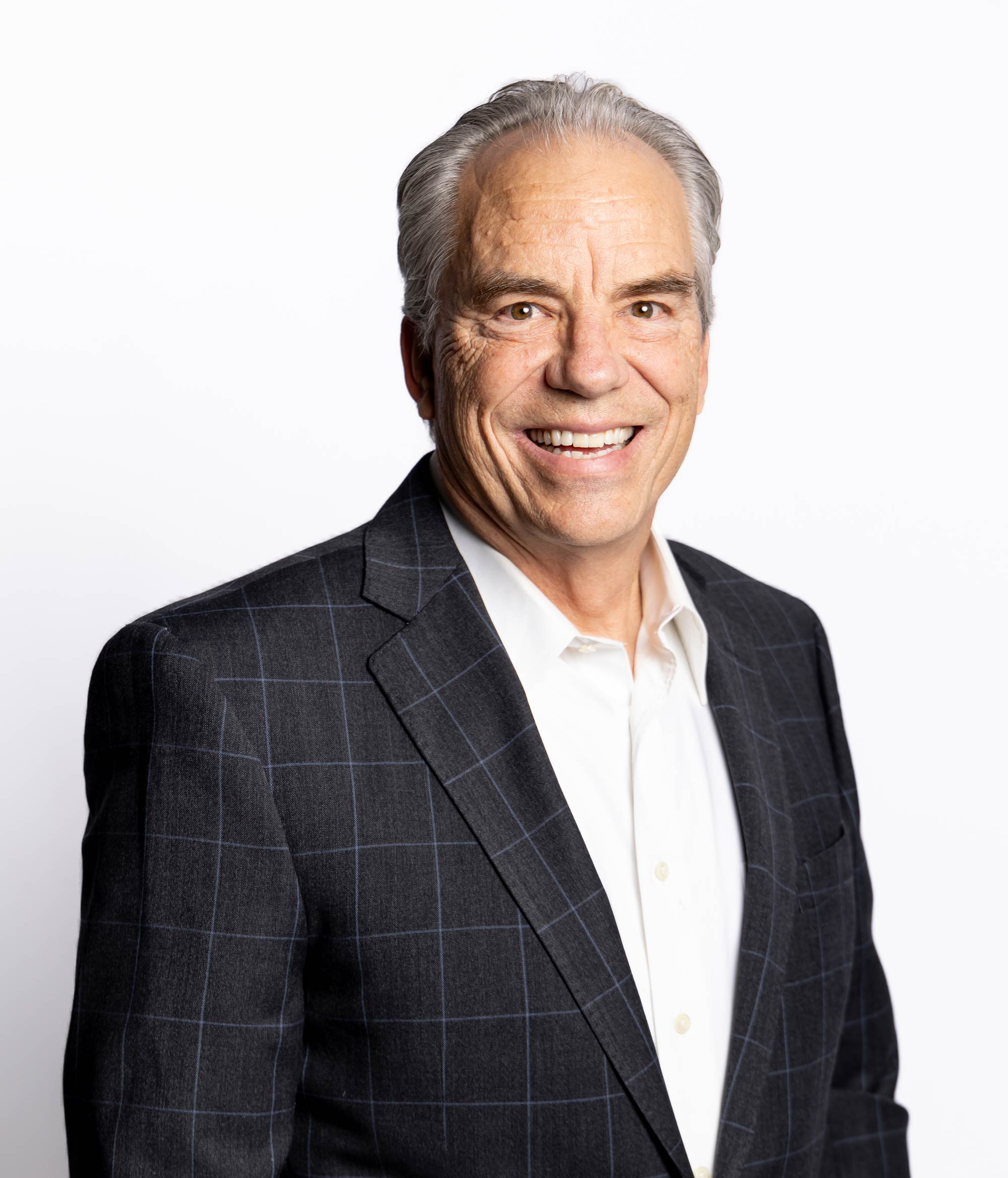
David Lawson is the founder of the Lawson Real Estate Team, a luxury real estate group serving Park City and the greater Wasatch Back, including Hideout, Midway, Heber, and Kamas. He leads a team that has closed more than 3,920 transactions and earned recognition as the #1 eXp Realty team in Utah (2022–2025) and previously the #1 Engel & Völkers team worldwide (2019, 2021). David and his team specialize in high-end mountain properties, from single family homes and new construction to ski-in/ski-out vacation properties and short-term rental investments, guiding buyers and sellers through one of the most segmented luxury markets in the country.
eXp Realty · (435) 200-5739
Equal Housing Opportunity. Each office is independently owned and operated. Licensed under the Utah Division of Real Estate. This article is general information only and is not legal, tax, or financial advice. Market figures are from the Park City MLS and reflect closed sales for the period stated. Confirm your own figures with your closing agent, tax advisor, or lender.
David Lawson
Team Leader | Lawson Real Estate Team
or another way