

Categories
Buying, Park CityPublished November 6, 2026
Down Payment Options for a Home in the Wasatch Back
What is the minimum down payment to buy a home in the Wasatch Back?
The program minimums are 3% for conventional loans through Fannie Mae HomeReady or Freddie Mac Home Possible, 3.5% for FHA, and 0% for eligible VA and USDA borrowers. In the Wasatch Back, though, the price of the home decides which of those minimums you can actually use. A 3% conventional loan only works up to about $858,500, because the loan has to stay under the $832,750 baseline conforming limit. FHA's 3.5% works up to about $1.2 million in Summit and Wasatch counties. Above roughly $1.2 million, which is where most of this market trades, you're into larger down payments or jumbo financing.
Key Takeaways
- A 3% conventional down payment is limited to loans at or under the 2026 baseline conforming limit of $832,750, so it tops out at a purchase price of about $858,500.
- FHA's 3.5% minimum works on loans up to $1,163,800 in both Summit and Wasatch counties in 2026, or a purchase price of about $1.2 million.
- VA can be 0% down for eligible borrowers with full entitlement. USDA can be 0% down, but only for eligible addresses and households under the program's income limits.
- On the Park City MLS, about 61% of 2026 residential closings in Summit and Wasatch counties were above roughly $1.21 million, the point where a minimum-down conforming or FHA loan no longer fits.
- The down payment is only one line of your cash to close, so a comfortable budget also covers closing items, prepaids, and reserves left in the bank after you buy.
How do minimum down payments compare for a home in the Wasatch Back?
For an eligible buyer, the program minimums are 3% conventional, 3.5% FHA, and 0% for VA and USDA. I use "Wasatch Back" here to mean Park City, the Snyderville Basin, and Kamas in Summit County, plus Heber Valley and other Wasatch County communities. The catch is that each minimum only applies up to a loan size, and in this market the loan size is usually the binding constraint. Here is what the minimums look like at three illustrative prices. They are round numbers, not the median for any area.
| Loan program | $850,000 purchase | $1,000,000 purchase | $1,500,000 purchase |
|---|---|---|---|
| Conventional | 3% ($25,500) | 3% not available; about 5% ($50,000) on a high-balance loan | Above the $1,150,000 county limit at 5% down; jumbo, or about 23% down to stay conforming |
| FHA | 3.5% ($29,750) | 3.5% ($35,000) | Above the $1,163,800 FHA limit at 3.5% down; about 22% down to stay within it |
| VA (full entitlement) | 0% | 0% | 0%, subject to lender approval |
| USDA Guaranteed | 0% if address and income qualify | 0% if address and income qualify | 0% in theory; income limits make it unlikely |
Every figure in that table is the down payment only. It leaves out earnest money, lender charges, prepaid taxes and insurance, inspection costs, and reserves. Loan limits are the 2026 figures from the Federal Housing Finance Agency and HUD, and they reset every year. Program eligibility and lender approval control your actual minimum.
What do Wasatch Back prices mean for your down payment?
For most buyers here, the realistic question isn't "3% or 3.5%?" It's whether the home you want sits above the loan limits. Our team's Park City MLS feed shows why:
- Of 1,157 active residential listings in Summit and Wasatch counties on November 6, 2026, 246 (21%) were priced at or below about $858,500, the ceiling for a 3% conventional loan.
- 394 of those listings (34%) were priced at or below about $1.2 million, the ceiling for a minimum-down FHA or high-balance conventional loan. By town, that was 185 in Park City, 94 in Heber City, 31 in Kamas, and 30 in Midway.
- Most of that lower-priced inventory is attached housing. Of the 246 listings at or below about $858,500, 142 were condos and 41 were townhomes. Condo and some townhome projects have to meet their own lender or FHA project standards before a low-down-payment loan can close, so confirm the project, not just the price.
- Of 1,514 residential closings in the two counties between January 1 and November 6, 2026, the median price was $1,560,000, and about 61% closed above roughly $1.21 million.
Above those limits, you either put enough down to bring the loan under the limit, or you use a jumbo loan. Jumbo down payments, reserves, and credit standards are set by each lender rather than by a national program, and they are generally stricter than the conforming minimums. If you're shopping above about $1.2 million, get jumbo terms quoted early. They often decide your budget more than the price does.
How does each loan program work?
Conventional: 3% down, with limits. Qualified borrowers can buy a one-unit primary residence with as little as 3% down through HomeReady or Home Possible. Both programs cap household income at 80% of the area median income, and Fannie Mae's 97% loan-to-value option excludes high-balance loans, per its 97% LTV FAQ. In Summit and Wasatch counties, a conventional loan between $832,750 and $1,150,000 is a high-balance loan, which generally means at least 5% down. Put down less than 20% and you'll generally pay private mortgage insurance (PMI), which protects the lender, not you.
FHA: 3.5% down with credit and underwriting requirements. FHA's minimum required investment is generally 3.5% of the purchase price when you meet the credit-score and underwriting requirements. The property also has to satisfy FHA appraisal and condition standards. The 2026 FHA limit for a one-unit home is $1,163,800 in both Summit and Wasatch counties, so a $1,000,000 purchase with 3.5% down, a $965,000 loan, fits. Because FHA's limit sits slightly above the county's conforming limit, FHA can be the lower-down-payment route between about $860,000 and $1.2 million, but its mortgage insurance works differently, as explained below.
VA: 0% down for eligible borrowers. Eligible veterans, active-duty service members, and some surviving spouses can generally finance a primary residence with no down payment. Borrowers with full entitlement aren't subject to a VA loan limit, but lender underwriting, occupancy, and your available entitlement still apply. VA loans carry no monthly mortgage insurance, but a VA funding fee may apply unless you qualify for an exemption.
USDA: 0% down, but only where the address and income qualify. The USDA Guaranteed Loan Program can mean no down payment when the property sits in an eligible rural area and your household meets the income limits. Eligibility is checked address by address, and rural-program boundaries can exclude otherwise nearby Wasatch Back properties. Don't assume a town qualifies because a neighboring street does. Run the specific address before you write an offer.
Condos, resort properties, and second homes. None of these qualify automatically. Resort-oriented condominiums, townhomes, second homes, and investment properties can face extra eligibility restrictions, and the low-down-payment options above are built for primary residences. If you're thinking about nightly rental income, tell your lender at the start, because how you intend to use the home shapes which loan fits. If the property is tied to a private club, I broke that down in Do You Have to Join the Club to Buy a Home in Park City?
How does mortgage insurance change with each loan type?
Mortgage insurance isn't the same across programs, and it often matters more to your monthly payment than the down payment percentage itself. Here's how each one works:
- Conventional: PMI is tied to your loan-to-value ratio and risk profile. It may be cancelable under federal and investor rules once you've built enough equity, as the Consumer Financial Protection Bureau's PMI guidance explains.
- FHA: You pay an upfront premium and an annual premium collected monthly. For many FHA loans with a higher original loan-to-value ratio, that insurance can stay for the life of the loan, per HUD's premium rules.
- USDA: You pay an upfront guarantee fee and an annual fee through the mortgage, not conventional PMI.
- VA: There's no monthly mortgage insurance, but the funding fee may apply unless you're exempt.
Is 0% down cheaper than putting money down? Not automatically. A smaller down payment means a larger loan, and that usually means more interest plus insurance or program fees. Zero down can be the right call when it keeps your reserves healthy, but only your loan estimates can show which structure costs less for you. I'd have your lender price two or three down-payment scenarios side by side and compare the monthly payment and the cash to close for each.
What does a comfortable budget for a home in the Wasatch Back look like?
A comfortable budget is the down payment, closing items, and reserves you can fund while still carrying the full monthly obligation. The minimum down payment only tells you what a program allows. It doesn't tell you what's wise.
Before you settle on a down payment, run the whole monthly picture, not just principal and interest:
- Property taxes and homeowners insurance. Second homes in Utah lose the primary-residence property tax exemption, which I cover in our post on Park City property taxes for primary and second homes.
- Mortgage insurance or program fees
- HOA dues
- Utilities and ongoing maintenance
- Second-home or property-management costs, if they apply
Mountain properties tend to have real maintenance and utility demands, so I push buyers to price those in honestly. The Consumer Financial Protection Bureau's home-loan affordability and closing-cost guidance is a good outside check on this exercise.
Keep cash in the bank after closing, too. If every spare dollar goes to the minimum down payment and closing costs, one roof repair or a slow rental season becomes a crisis. Closing and prepaid items vary with your contract, lender, property type, closing date, tax and insurance escrows, and how costs are negotiated between buyer and seller. That's why I won't hand you a single "cash needed" number. I walked through those categories in How Much Cash Do You Need to Buy a Home in the Wasatch Back?
Here's the order I'd follow:
- Get pre-approved and ask for loan estimates under more than one down-payment scenario, including jumbo if your price range is above about $1.2 million. I explain why in Why Pre-Approval Comes First When Buying a Park City Home.
- Compare the estimates on monthly payment, mortgage insurance or fees, and cash to close, not just the rate.
- Confirm the property before you offer. That means project and condo eligibility, intended occupancy, and USDA address eligibility if you're considering that route.
- Calculate cash to close separately from your maximum loan amount.
- Set your budget on the complete monthly obligation plus the reserves you want left afterward.
Utah also has down-payment assistance programs, but they carry their own eligibility rules. I wouldn't build a plan around one until your lender confirms you qualify.
Your numbers depend on your credit, income, the property type, and how you plan to use the home. This is the kind of question I work through with buyers before we ever tour a house, and my team does the same legwork on property eligibility so you aren't surprised mid-contract.
If you'd like to see what clients say about working with us, you can read reviews on Google, Zillow, and Realtor.com.
Frequently Asked Questions
Can I buy a home in Park City or Heber Valley with 3% down?
Yes, if you're a qualified borrower buying a one-unit primary residence through a program like HomeReady or Home Possible, your income is within the program limit, and the loan is at or under the $832,750 baseline conforming limit. That caps the purchase price at about $858,500. Second homes, investment properties, and some resort condos face extra restrictions.
What are the FHA loan limits in Summit and Wasatch counties?
For 2026, the FHA limit for a one-unit home is $1,163,800 in both Summit and Wasatch counties. With the 3.5% minimum, that supports a purchase price of about $1.2 million. Limits reset every year, so confirm the current figure with your lender.
Can I use a VA loan with no down payment in Utah?
Yes, if you're an eligible veteran, active-duty service member, or surviving spouse buying a qualifying primary residence. Borrowers with full entitlement aren't subject to a VA loan limit, but your lender's underwriting and your available entitlement still control the outcome. There's no monthly mortgage insurance, though a VA funding fee may apply unless you're exempt.
Are homes in Wasatch County eligible for a USDA loan?
Some may be, but eligibility is decided address by address and by household income, so a whole town can't be assumed in or out. Rural-program boundaries can exclude properties that sit near eligible ones. Check the specific address through USDA's property eligibility tools or your lender before you make an offer.
What happens if the home costs more than the loan limits?
You either put more down so the loan fits under the limit, or you use a jumbo loan. In Summit and Wasatch counties, that point arrives at roughly $1.2 million with a minimum down payment. Jumbo down payments and reserve requirements are set by each lender and are generally stricter than conforming or FHA minimums, so ask for jumbo quotes early if you're shopping above that range.
The bottom line
The lowest down payment you can make and the right down payment for you are two different numbers, and in the Wasatch Back the loan limits often decide the first one before you do. If you own a home and are planning a move, you can also request a free home evaluation to see what your equity could contribute.
If you're buying or selling in Park City or anywhere across the Wasatch Back, we're happy to consult on the market and help you assess your options. Reach out to schedule a private consultation with our team, and we'll show you how 0%, 3%, 3.5%, or a larger down payment would play out on a specific Wasatch Back property.
About David Lawson
David Lawson is the founder of the Lawson Real Estate Team, a luxury real estate group serving Park City and the greater Wasatch Back, including Hideout, Midway, Heber, and Kamas. He leads a team that has closed more than 3,920 transactions and earned recognition as the #1 eXp Realty team in Utah (2022–2025) and previously the #1 Engel & Völkers team worldwide (2019, 2021). David and his team specialize in high-end mountain properties, from single family homes and new construction to ski-in/ski-out vacation properties and short-term rental investments, guiding buyers and sellers through one of the most segmented luxury markets in the country.
Equal Housing Opportunity. Each office is independently owned and operated. Real estate licensees in Utah are regulated by the Utah Division of Real Estate. This article is general information, not legal, tax, or financial advice. Confirm your own numbers with your closing agent, tax advisor, or lender.
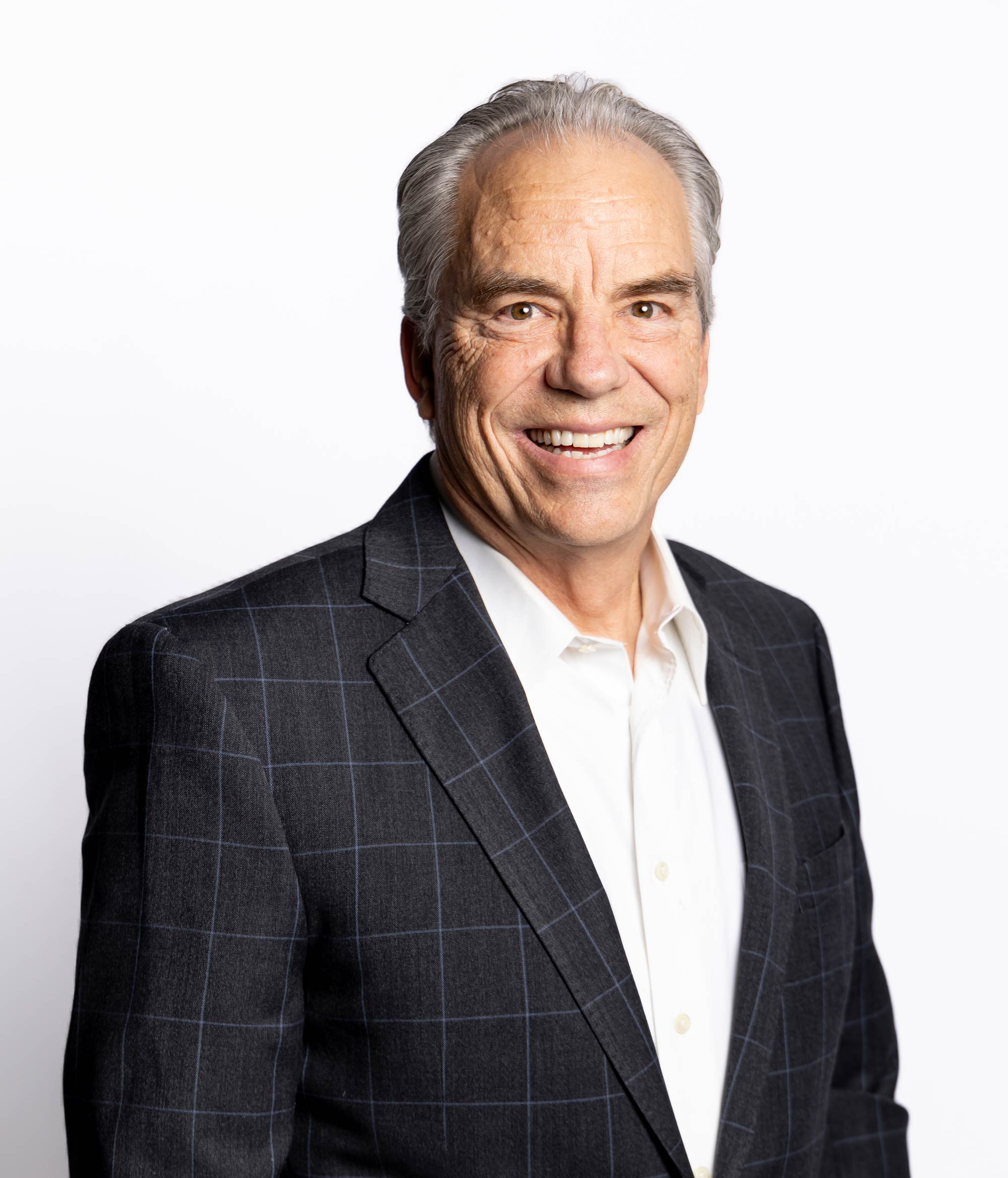
David Lawson
Team Leader | Lawson Real Estate Team
or another way