

Categories
Park City, SellingPublished October 30, 2026
What It Costs to Sell a House in Park City

What does it cost to sell a house in Park City?
The cost to sell a house in Park City is the sum of several separate line items, not one percentage. Your negotiated listing fee, your share of title and escrow charges, recording fees, tax and association prorations, and any concessions you agree to all come out of your proceeds at closing. Your mortgage payoff comes out too, though that is repaying debt, not a selling expense. Utah charges no real estate transfer tax, so there is no percentage-of-price tax line on your statement. The only number that counts is the one on your settlement statement.
Key Takeaways
- Agent compensation in Utah is fully negotiable and not set by law, so it is agreed in your listing agreement, never assumed.
- Utah's standard purchase contract has the seller pay for the buyer's standard-coverage owner's title policy and splits the escrow office's settlement fee evenly, unless the parties agree otherwise.
- Utah has no real estate transfer tax, and recording fees are a flat statutory charge per document, not a percentage of your price.
- Property taxes and association dues are prorated to your closing date under the purchase contract, so the same house produces different numbers on different closing dates.
- Seller concessions are optional credits that exist only if you agree to them in the contract, and they reduce your proceeds dollar for dollar.
- Whether your property sits in Summit County or Wasatch County determines which recorder and which county treasurer your closing agent works with, even if it is marketed as Park City.
If you're pricing out the sale of a house in Park City, I'd rather you see the real structure than a rule of thumb. Online calculators use a generic percentage. Your closing agent uses your contract, your title commitment, and your lender's payoff. Those two answers rarely match, and in a market with this much variety in property type, the gap can be wide.
What comes out of your proceeds when you sell a house in Park City?
Six categories of debits and credits come out of your proceeds: brokerage compensation, title and escrow charges, government recording, payoff of liens and mortgages, prorations, and agreed concessions. Your closing agent in Utah builds the settlement statement from your executed purchase contract and the supporting documents. Here's how each category works and what you can negotiate.
| Cost category | What it is | Fixed or negotiable? |
|---|---|---|
| Listing agent compensation | Fee set in your listing agreement with the brokerage | Fully negotiable |
| Buyer's agent compensation | Optional amount a seller may choose to offer a buyer's agent | Optional and separately negotiable |
| Title and escrow charges | Owner's title policy, escrow and settlement services, document work | Seller pays the standard owner's policy and half the settlement fee under the standard Utah contract; changeable by agreement |
| Recording fees | Charge to record release documents and other instruments | Flat fee per document set by Utah statute |
| Loan and lien payoff | Repayment of your mortgage and any other recorded liens | Fixed by your lender's payoff statement |
| Tax and association prorations | Your share of taxes and dues through the closing date | Driven by the contract and closing date |
| Concessions and repair credits | Credits you agree to for repairs, closing costs, or other buyer expenses | Negotiable, only if written into the contract |
How is agent compensation handled when you sell?
Agent compensation is negotiable and not set by law. There is no standard, customary, or going rate in Utah, and anyone who quotes you one before reading your situation is guessing.
Your listing fee is agreed in the listing agreement between you and the brokerage. Any compensation you choose to offer a buyer's agent is a separate decision, optional and negotiable on its own. I'll go through both with you before you sign anything, because what the fee covers matters as much as the amount. A real marketing plan is the work that earns it.
What do title and escrow charges include, and who pays them?
Title and escrow charges pay for the work that moves clear ownership to the buyer. That means the title search, the title policy, escrow and settlement services, and document preparation. No official statewide schedule fixes these private charges, and the totals depend on the closing agent you use, the policy coverage, any endorsements, and how much payoff work your file requires.
Who pays which piece does have a default, though. Utah's state-approved Real Estate Purchase Contract has the seller pay for a standard-coverage owner's title policy insuring the buyer, and has buyer and seller each pay half of the escrow office's settlement fee. If the buyer wants extended coverage, the added premium is generally the buyer's. Any of this can be changed in the contract, so read yours, but budget for the owner's policy as your cost unless your contract says otherwise. Your closing agent's estimate on your specific file is where the dollar figure comes from.
Who pays recording fees, and does the county matter?
Recording fees are what the county recorder collects to record documents, such as the release of your mortgage, and which side pays each one is set by your contract. They are small and predictable: Utah sets a flat $40 recording fee per document by statute, the same in every county, and it is never a percentage of your price.
The county matters for a different reason. A property marketed as Park City may sit in Summit County or Wasatch County. Park City proper, the Snyderville Basin and Canyons Village are in Summit County, while Deer Valley's East Village and the Jordanelle area are in Wasatch County. That split is not a technicality: of the 625 homes, condos and townhomes with a Park City address listed for sale on the Park City MLS as of October 30, 2026, 55 are in Wasatch County. The county on your legal description decides which recorder takes your documents and which treasurer's tax bill gets prorated. If you're on the Wasatch side of the market, my breakdown of what Heber Valley homeowners pay in Utah seller closing costs covers the same process from that county's angle.
How do prorations, payoffs, and concessions change what you keep?
They move your proceeds in ways a percentage can't predict. Prorations depend on your closing date, your payoff depends on your lender's figure, and concessions depend on what you negotiate with the buyer. Each of these is a calculation from documents, not an estimate from a rule of thumb.
How are property taxes prorated at closing?
Property taxes are apportioned between you and the buyer according to your purchase contract and the settlement statement. You are credited or debited for the period you owned the home, and the contract sets the proration convention and date.
Timing matters more than most sellers expect. Utah property taxes run on the calendar year, and the full year's bill is due by November 30. Close before that year's bill is paid and you will typically credit the buyer for your share of the year so far. Close after you have paid it and the buyer typically reimburses you for the rest of the year. The same house can produce opposite entries depending on which side of that date you close. Your closing agent pulls the tax information and applies the contract's terms. If you want the Summit County side of how taxes work in this market, my post on Summit County property tax explains the structure from the buyer's perspective, and the same mechanics apply to your proration.
How does your mortgage payoff reduce proceeds?
Your payoff is deducted from the sale price at closing, and it is repayment of your own debt rather than a cost of selling. Your lender provides a payoff statement that includes your remaining balance, accrued interest, and any fees or reconveyance-related charges.
Payoff figures change daily with interest, so the number on your final statement is tied to the closing date. If you have a second lien, a home equity line, or another recorded obligation, each one gets paid and released through closing. Pull your most recent mortgage statement early so there are no surprises about what you still owe.
What seller concessions are common in Park City?
Seller concessions are credits you agree to, such as repair credits, help with a buyer's closing costs, a home warranty, or a contribution toward a rate buydown. None of them is mandatory, and none applies unless it is written into the purchase contract.
Concessions show up on the settlement statement as a debit to you, so they directly reduce your proceeds. How often buyers ask for them depends on the market, and right now buyers have room to ask. Homes with a Park City address on the Park City MLS currently carry about 7.6 months of supply, and resale homes that closed there this year sold for an average of 94.1% of their original list price. Budget for some negotiation rather than assuming a clean full-price contract. How much leverage a buyer has also depends on how the home was positioned from the start. Pricing and presentation right in the first week beats chasing the market down, and a home that draws strong early interest tends to face fewer requests for credits. I covered that in more depth in my post on pricing your Park City home right in the first week.
What's different about selling a resort or HOA property in Park City?
Condominiums, townhomes, and resort properties in planned communities can add transaction-specific items that a standalone single-family sale doesn't have. These items are not universal charges. Each depends on the governing association's current documents.
- Association resale packages and document fees for the paperwork the buyer receives.
- Transfer or move-in fees that an association may charge on a change of ownership.
- Unpaid or special assessments that must be settled or disclosed before closing.
- Resort or rental-program obligations that may need to be assigned, ended, or prorated.
Luxury and resort sales also tend to need more title and payoff review. Multiple parcels, easements, private-road interests, water rights, entity ownership, furnishings, and complex financing can all affect title work, prorations, and timing. I handle these files regularly, and my team coordinates with your closing agent early so the complexity is sorted out before it can delay your closing date.
How do you find your actual number before you list?
You ask for it in writing, before you list. A net proceeds estimate built from your own payoff, your own tax information, and your own association documents is the only reliable figure.
Here's the process I walk my clients through:
- Review the listing agreement terms, including compensation and what the fee covers.
- Request a preliminary estimate from a closing agent, based on your title information.
- Get your current payoff figure from your lender.
- Confirm your county and any association documents and fees.
- Decide in advance how you'll handle repair requests and other concessions.
My post on Park City home sale net proceeds goes deeper into reading the statement itself. For your own property, the quickest route is a conversation, because your numbers depend on your property type, your lender, your county, and your timing. If you'd like a starting point on value, you can request a home valuation.
If you'd like to see how other sellers have felt about working with us, you can read reviews on Google, Zillow, and Realtor.com.
Frequently Asked Questions
What does it cost to sell a house in Park City, Utah?
The cost is the total of your listing fee, your share of title and escrow charges, recording fees, prorations, and any concessions, and it differs for every sale. No single percentage applies, and Utah has no real estate transfer tax. Your settlement statement shows the exact figures, and I'll help you estimate them before you list.
Are real estate commissions negotiable in Utah?
Yes, commissions are fully negotiable and are not set by law. The listing fee is agreed in your listing agreement, and any compensation you offer a buyer's agent is optional and separately negotiable. If you want to discuss what that would look like for your home, that conversation belongs with me directly.
Who usually pays the owner's title insurance policy in Park City?
Under Utah's standard Real Estate Purchase Contract, the seller pays for a standard-coverage owner's policy insuring the buyer, and buyer and seller split the escrow office's settlement fee. The parties can change that in the contract, so check your own. I'll point out how it's handled in your offer when we review it.
How are Summit County property taxes prorated at closing?
They are split between you and the buyer according to the purchase contract's proration terms and your closing date. Utah property taxes cover the calendar year and are due by November 30, so whether that year's bill has been paid when you close decides whether you credit the buyer or the buyer reimburses you. Your closing agent calculates it from the county's tax information.
How does a mortgage payoff reduce my proceeds at closing?
The closing agent pays off your mortgage from the sale proceeds before sending you the remainder. Your lender's payoff statement shows the balance, interest, and any fees, and the figure changes daily until closing. It repays your debt rather than adding a selling cost.
The bottom line
The real cost of selling a house in Park City is whatever your settlement statement says, and you can see it coming if you do the work early.
If you're buying or selling in Park City or anywhere across the Wasatch Back, we're happy to consult on the market and help you assess your options. Reach out to schedule a private consultation with our team, and we'll build a line-by-line net proceeds estimate for your home before you list.
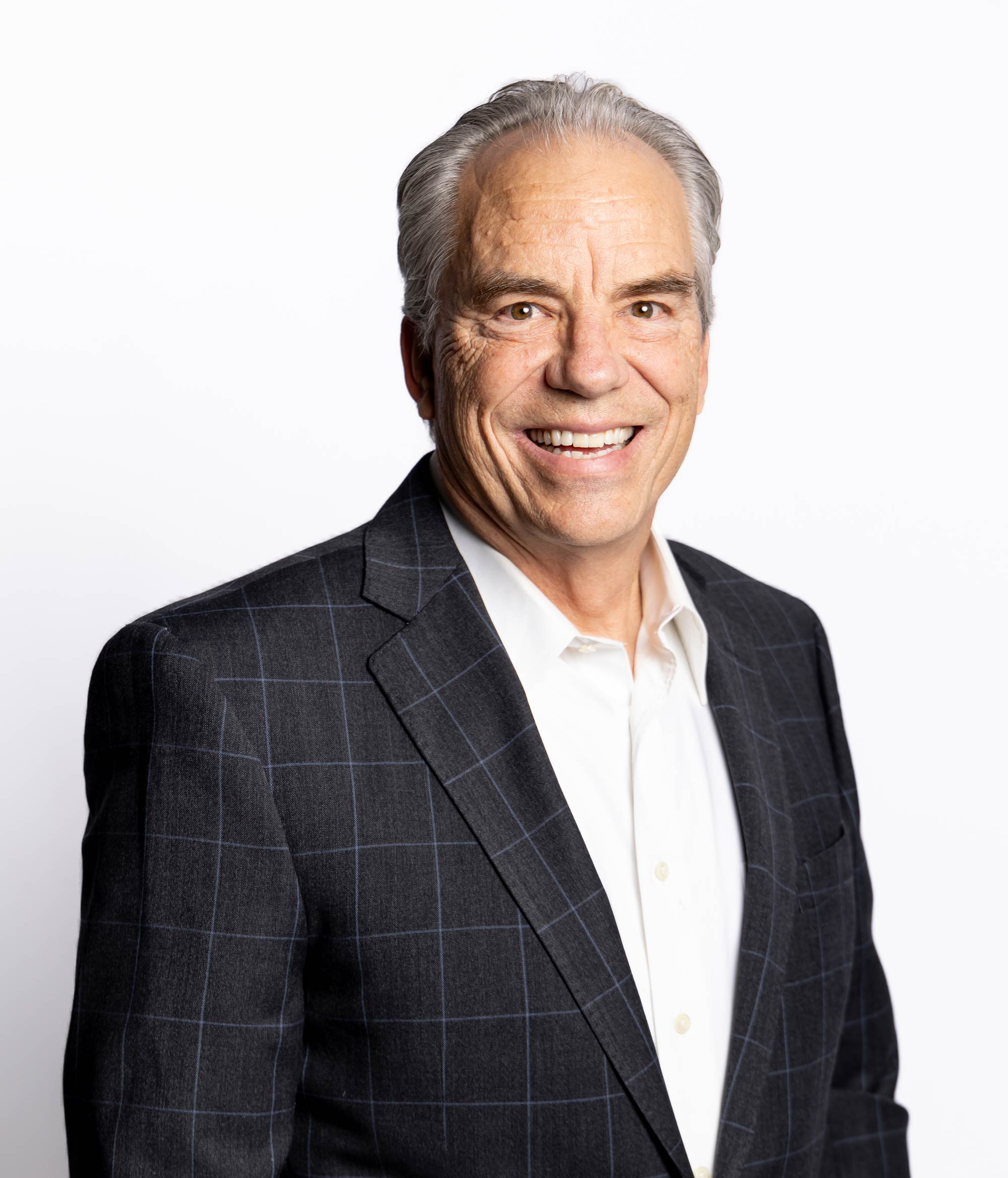
About David Lawson
David Lawson is the founder of the Lawson Real Estate Team, a luxury real estate group serving Park City and the greater Wasatch Back, including Hideout, Midway, Heber, and Kamas. He leads a team that has closed more than 3,920 transactions and earned recognition as the #1 eXp Realty team in Utah (2022–2025) and previously the #1 Engel & Völkers team worldwide (2019, 2021). David and his team specialize in high-end mountain properties, from single family homes and new construction to ski-in/ski-out vacation properties and short-term rental investments, guiding buyers and sellers through one of the most segmented luxury markets in the country.
Equal Housing Opportunity. Each office is independently owned and operated. Real estate licensing in Utah is regulated by the Utah Division of Real Estate. This article is general information, not legal, tax, or financial advice. Confirm your own numbers with your closing agent, tax advisor, or lender.
David Lawson
Team Leader | Lawson Real Estate Team
or another way