

Categories
Selling, UtahPublished October 19, 2026
What Utah County Sellers Actually Pay at Closing
What Do Utah County Sellers Actually Pay at Closing?
Utah County sellers pay a mix of payoffs on any loans or liens, a prorated share of the year's property taxes, the title and escrow charges their contract assigns them, small government recording fees, any concessions they agree to, and the agent compensation set in their listing agreement. Under Utah's standard purchase contract, the seller's default title cost is the buyer's owner's policy of title insurance, and each side pays its own escrow fees. Utah charges no real estate transfer tax. The rest depends on your payoff, your contract and your closing date, so the only reliable number is one built from your own inputs.
Key Takeaways
- Utah's standard Real Estate Purchase Contract has the seller paying for the buyer's owner's title insurance policy, and each party paying its own escrow-office fees, unless the parties agree otherwise in writing.
- Utah has no real estate transfer tax, so there is no percentage-of-price tax deducted from your proceeds.
- The Utah County Recorder's published fee is $40 per recorded document, plus $2 for each description over ten. It is set by state law and is a small line next to everything else.
- Agent compensation, repair credits and buyer concessions are negotiated, not fixed by statute.
- Property taxes cover the calendar year and are due November 30, so whether you close before or after that date decides which way the proration credit runs.
- The sale price itself moves your net more than any fee. In recent Utah County resales, about seven in ten closed below their original list price.
Which Closing Costs Can Utah County Sellers Actually Negotiate?
Most of them. The fixed items are government charges, and almost everything else is assigned by your purchase contract and your listing agreement. The standard contract sets a starting point for title and escrow, and anything in it can be changed by written agreement. I walk my clients through this split before we list, because it tells you where you have leverage and where you don't.
| Line item | What it is | Who pays by default |
|---|---|---|
| Owner's title insurance | Policy protecting the buyer's ownership | Seller, under the standard Utah REPC; changeable in writing |
| Escrow or settlement fees | Closing office's work to run the file and disburse funds | Each side pays its own fees under the standard REPC |
| Recording fees | County charge to record the deed, releases and other documents | Fixed by state law; allocated by contract and the settlement statement |
| Agent compensation | Fee owed under your listing agreement, plus any buyer-brokerage contribution you agree to | Fully negotiable; not set by law |
| Payoffs | Mortgage, liens, judgments or other encumbrances | Seller; must be cleared for the buyer to receive clean title |
| Property-tax proration | Split of the current year's taxes between buyer and seller | Calculated from your closing date |
| Concessions and credits | Closing-cost help, rate buydowns, repairs, home warranty | Negotiated; may be limited by the buyer's loan program |
Who Pays for Title Insurance and Escrow in Utah?
The standard Utah Real Estate Purchase Contract answers this directly. Unless you agree otherwise in writing, the seller pays for the owner's title insurance policy issued in the buyer's favor, and the buyer and seller each pay their own fees charged by the escrow or closing office. A buyer with a mortgage typically pays for the lender's policy. Stewart Title's summary of Utah practice describes the same pattern.
The owner's policy is usually the largest title line on a seller's statement, so it belongs in your estimate from the start. It can still be negotiated, and a buyer can ask you to cover more or less than the default. The contract form was revised in 2026 and its sections renumbered, so read the title and settlement provisions of the version you actually sign. Seller-side statements can also include payoff processing, wire or courier fees, and charges needed to clear title.
What Does Recording Cost in Utah County?
Very little, compared with the rest of the statement. The Utah County Recorder's fee schedule lists $40 per document, plus $2 for each additional description or unit over ten, and says the fees are set by state law under Utah Code § 17-71-407. A 2026 amendment to that statute lets some counties add a $5 surcharge, so confirm the current figure with your closing agent. Whether you or the buyer covers a given recording comes down to your contract and the settlement statement.
Your closing agent typically submits the paperwork, and the Recorder keeps the official public record. Documents have to meet Utah's requirements, including a notary acknowledgment, a legal description, the printed names of the signers and the grantees' mailing address. The Recorder can reject documents that fall short, which is one reason a careful closing agent matters.
How Negotiable Is Agent Compensation?
Broker fees and commissions are fully negotiable and not set by law. There is no standard, customary or going rate in Utah County. Your listing agreement controls what you owe your listing brokerage. If a buyer asks you to contribute to their agent's compensation, that is a separate, optional term negotiated in the purchase contract, and it is not something you automatically cover.
I'm glad to talk through how that works on your listing, but the number belongs in your agreement with us, not on a blog page.
Are Property Taxes Prorated at Closing?
Yes. A proration splits the current year's property taxes between you and the buyer based on how long each of you owns the home that year. It is not a separate tax charged only to sellers. In Utah, property taxes cover the calendar year and are due by November 30. If you close before the year's bill is paid, you typically credit the buyer for your share from January 1 to closing. If you close after you've paid it, the buyer typically credits you for the rest of the year. Your title or escrow company should pull the tax record and show the calculation on the settlement statement.
What Payoffs Come Out of Your Sale?
Anything tied to your ownership has to be satisfied before the buyer gets clear title. That includes your existing mortgage and any liens, judgments or other encumbrances the title search turns up. The title search is where surprises appear, so I like sellers to know early whether anything is attached to the property. HOA dues are prorated as well, and any HOA or special-district assessments are assigned in the contract, so check both if your home is in an association.
Do Seller Concessions Come Out of Your Proceeds?
Yes. When a credit for buyer closing costs, an interest-rate buydown, a repair, a home warranty or prepaid expenses is written into the purchase agreement, it reduces what you receive at closing. Whether a concession is available, and how large it can be, depends on negotiation and, with financed buyers, the loan program's limits. For more on how these credits are structured, see how seller concessions work in Salt Lake City.
A concession isn't automatically a bad deal. Sometimes a credit gets a stronger offer across the table than a price cut would. The trade-off is specific to your property and your timeline, and that's where a local pricing conversation helps.
How Do You Estimate Net Proceeds Before Listing in Utah County?
Start from a realistic sale price, your payoff and your contract terms, not from a generic percentage. Your net is what's left after payoffs, allocated closing charges, prorations, concessions and agent compensation, so you need real inputs for each.
The sale price deserves the most care, because it moves your net more than any fee on the statement. Among the 500 most recent Utah County residential sales in our MLS feed (closed September 24 to October 17, 2026), 409 were resales of existing homes. About seven in ten of those closed below their original list price, and the median resale came in at 97.2% of it. The pattern held across every price band from under $400,000 to over $900,000. On a $500,000 list price, a 97.2% sale is a $14,000 gap, more than the title, escrow and recording lines combined. Estimate from what comparable homes have actually sold for, not from your hoped-for list price. A home value estimate is a reasonable starting point.
Here's the process I use with sellers:
- Set a realistic price. Base it on recent comparable sales, not on list prices.
- Get your payoff figure. Ask your lender for a payoff statement, and note any other liens you know about.
- Pick a target closing date. It drives your tax proration, especially around the November 30 due date.
- Review your listing agreement terms. Agent compensation is set there and is negotiable.
- Add the default title and escrow costs. Get a quote for the owner's policy and your side of the escrow fee from the title company you plan to use.
- Model a few concession scenarios. Look at what happens to proceeds if a buyer asks for a credit, a repair or a rate buydown.
- Ask your closing agent for an estimated settlement statement. It puts your real numbers in one place.
Utah County sellers do best when they run this exercise before listing, not after an offer lands. If you want to see how the same categories play out elsewhere in Utah, I've broken them down in how much it costs to sell a house in Salt Lake City and what Heber Valley homeowners pay in Utah seller closing costs. The categories are the same; your own contract and county details will differ.
Frequently Asked Questions
What closing costs does a seller usually pay in Utah County?
Sellers typically pay off their mortgage and any liens, a prorated share of the year's property taxes, the owner's title insurance policy and their own escrow fees under the standard Utah contract, any negotiated concessions, and the agent compensation in their listing agreement. Utah has no real estate transfer tax. Your settlement statement shows exactly what applies to you.
Does the seller or buyer pay for title insurance in Utah?
Under Utah's standard Real Estate Purchase Contract, the seller pays for the owner's title insurance policy issued to the buyer, and a financing buyer typically pays for the lender's policy. The parties can change that allocation in writing, so confirm it in your contract before you sign.
Are Utah County property taxes prorated at closing?
Yes. Utah property taxes cover the calendar year and are due by November 30, and they are split based on the portion of the year each party owns the home. If the year's bill is unpaid at closing, the seller typically credits the buyer; if it is already paid, the buyer typically credits the seller. Your closing agent should show the calculation on the settlement statement.
Do seller concessions come out of my proceeds?
Yes. Credits for buyer closing costs, rate buydowns, repairs or a home warranty reduce your proceeds once they're written into the purchase agreement and settlement statement. For financed buyers, the loan program may limit how much can be offered.
How can I estimate my net proceeds before listing my Utah County home?
Start with a realistic sale price based on comparable sales, then gather your mortgage payoff, choose a target closing date, review your listing agreement terms, and ask your closing agent for an estimated settlement statement. A personalized net-proceeds review with a local agent pulls those pieces into one number that reflects your situation.
If you're selling in Utah County or anywhere across the Wasatch Front, we're happy to consult on the market and help you assess your options. Reach out to schedule a private consultation with our team, and we'll walk through your payoff, timing and negotiable items to build a net-proceeds estimate you can plan around.
About David Lawson
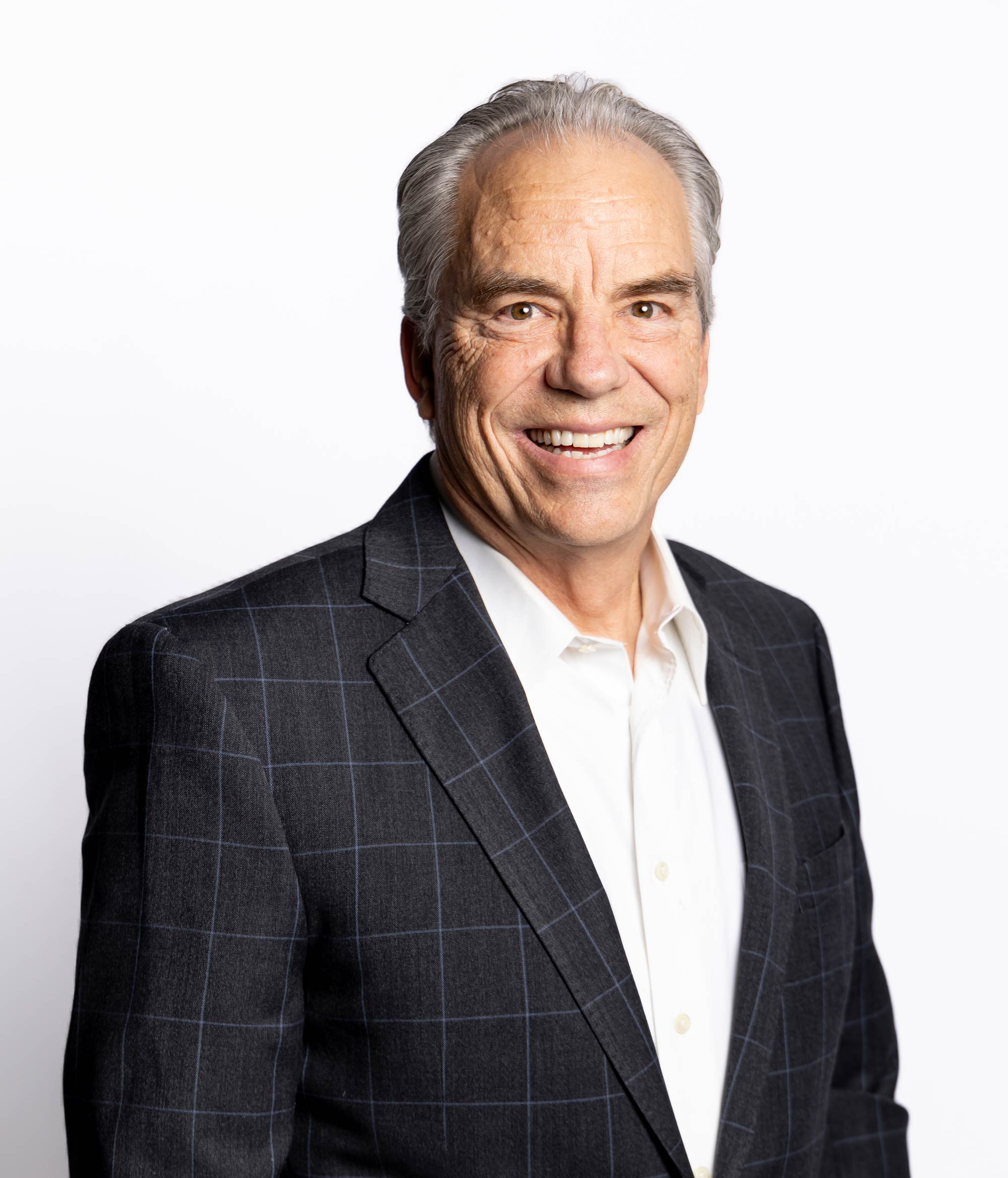
David Lawson is the founder of the Lawson Real Estate Team, a real estate group serving Salt Lake City and the greater Wasatch Front, including Sugar House, Holladay, Cottonwood Heights, Draper, and the fast-growing southwest valley and northern Utah County. He leads a team that has closed more than 3,920 transactions and earned recognition as the #1 eXp Realty team in Utah (2022–2025) and previously the #1 Engel & Völkers team worldwide (2019, 2021). David and his team work with buyers and sellers across the full market—from first-time buyers and condos to move-up family homes, multifamily investments, and luxury properties—guiding clients through one of the fastest-growing housing markets in the country.
Equal Housing Opportunity. Regulated by the Utah Division of Real Estate. Each office is independently owned and operated. This article is general information, not legal, tax, or financial advice; confirm your own numbers with your closing agent, tax advisor, or lender.
David Lawson
Team Leader | Lawson Real Estate Team
or another way